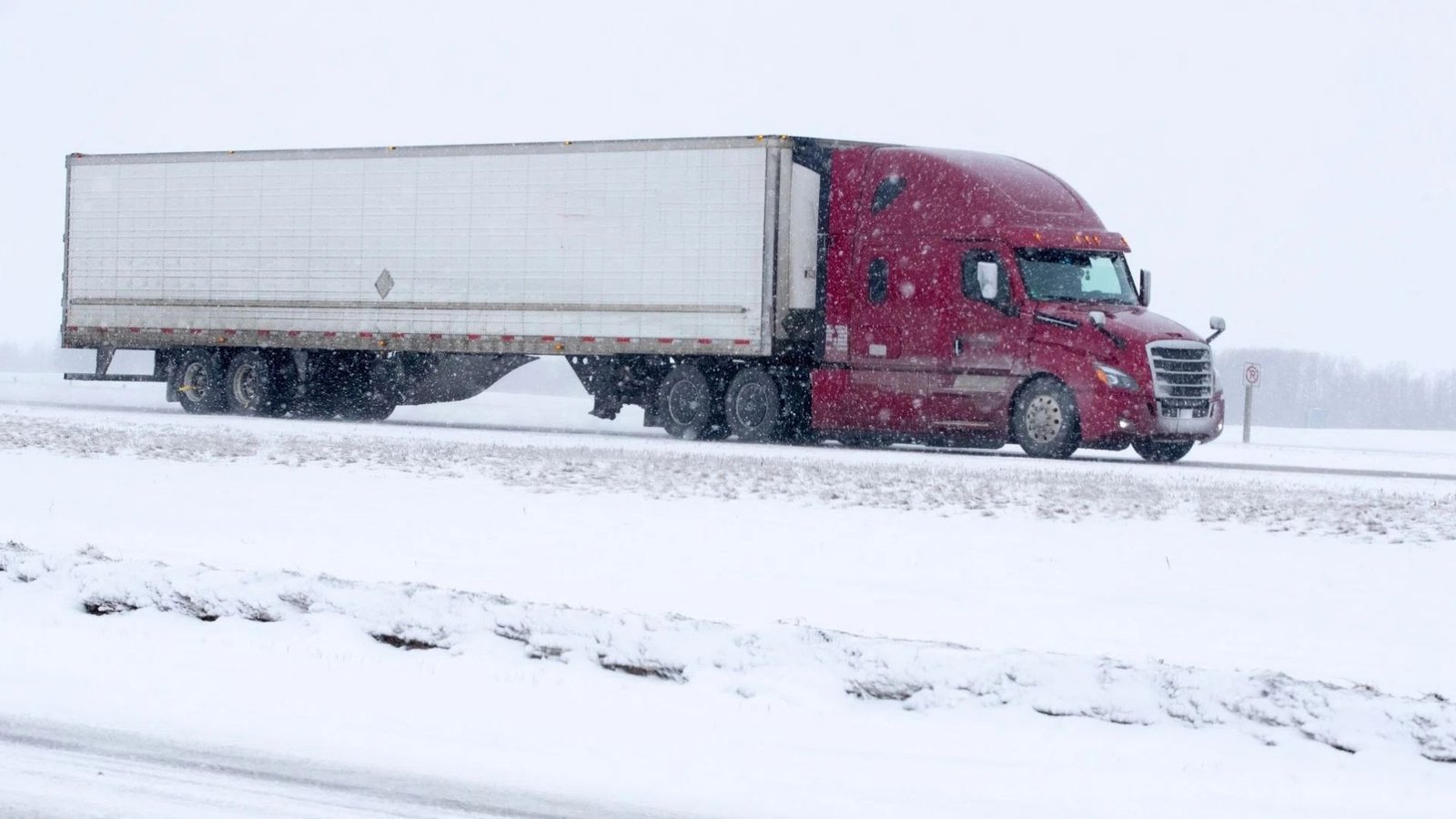
Protecting Commercial Vehicles Against Ontario Winters
Ontario winters are brutal on commercial paint finishes. Road salt, freeze-thaw cycles, and brine pre-treatment attack the finish from directions that automotive paint isn't really built to handle. Here's what actually works.
Anyone who has run a commercial fleet through a GTA winter knows what it does. Trucks that looked sharp in November come out of March with dulled clear coat, salt-haze staining that won't wash off, and the first signs of corrosion appearing anywhere water can collect. The damage is cumulative — one hard winter is annoying, three in a row compounds into a finish that looks a decade older than the truck.
The mechanical reason is straightforward. Modern road salt isn't just sodium chloride — it's often pre-applied as brine, mixed with other chlorides, and it wicks into seams, cavities, and microcracks in ways that plain salt doesn't. Once it's inside, it stays active for weeks, pulling moisture out of humid air long after the road itself is dry. That's where corrosion starts.
What winter actually does to a commercial finish
The damage from Ontario winters shows up in three overlapping modes. Each one calls for a different kind of protection, and the finishes that survive the season handle all three.
1. Surface contamination
Salt spray lays down a thin film that bonds to the clear coat. Left there, it etches the surface over time and creates the dull, hazed look that shows up by February. This is the visible part of winter damage and the easiest to manage — regular washing removes it before it bonds too hard.
2. Seam and cavity corrosion
Wherever water and salt can get trapped — door seams, wheel wells, frame rails, box joints — they create the conditions for corrosion to start. Unlike surface contamination, this is invisible until it's already caused damage. Once rust bubbles up under the paint, the repair scope is no longer cosmetic.
3. UV-plus-salt compounding
Winter sun is lower but still active. UV exposure on a salt-contaminated surface degrades the clear coat faster than clean UV exposure would. This is why trucks parked outside through winter often show dulling in specific areas — the combination is harder on the finish than either alone.
Protective coatings that actually hold up
For fleets that operate hard through Ontario winters, the coating system selected at refinish time makes a large difference in how the trucks look in year five. Specifically, three things matter:
- A corrosion-resistant primer layer that holds up against moisture wicking through seams and microcracks
- A topcoat formulated for chemical resistance, not just appearance — commercial two-component urethanes are the typical choice
- Cavity protection or seam sealing on any area where water can collect (wheel wells, frame rails, fender undersides, body pockets)
These aren't specialty-only choices. Most commercial refinish work should include them as standard. The difference between operators who get 7 years out of a finish and operators who need intervention at year 3 is often whether the refinish scope included proper corrosion protection in the first place.
Pre-winter preparation
The best winter a truck can have is one where its finish goes into the season clean, sealed, and documented. That means work in October and early November, before the first real salt event. A reasonable pre-winter routine:
- Full wash, including underbody and wheel wells, to start clean
- Walk-around inspection for any clear coat breaches — rock chips, scrapes, areas where the primer or metal is exposed
- Touch-up anything that's compromised before salt arrives
- Seal any seams or cavities that are showing early corrosion
- Document the condition so you can compare in March
In-season care
Through the season itself, the single most important habit is washing trucks more often than feels necessary. Every two weeks is a reasonable baseline for fleets in heavy winter exposure. Every week is better. Washing prevents contamination from bonding, removes salt from seams before it has time to wick deeper, and keeps the finish from being attacked continuously.
The other piece is spot repair. Winter is the season when minor damage turns into major damage fastest. A rock chip in July is cosmetic. A rock chip in January is a corrosion starting point. Any breach in the clear coat should be treated as urgent through the winter months.
Spring inspection
In March or April, once the roads have cleared, every truck in the fleet should get a proper post-winter inspection. This is the point where you catch anything that happened under the finish through the winter and address it before summer heat accelerates it further.
Walk every unit. Look specifically for areas where the finish is showing early corrosion, dulling, or hazing. Document what you find. Decide what needs to be addressed now, what can be scheduled, and what can wait for the next refinish cycle. Fleets that do this consistently keep pace with winter damage. Fleets that don't find themselves surprised by the scope of their next refresh.
The operating cost argument
Winter protection costs a little bit of time, a little bit of money, and a little bit of discipline. Not protecting against winter costs a lot more, just on a slower clock. For commercial fleets operating through Ontario winters, the math almost always favors treating winter protection as part of the standard operating cost of the fleet rather than an afterthought handled when the damage is already visible.
Have a refinishing project that could use this thinking?
We work with commercial operators across Toronto and the GTA. Tell us what you're running and we'll walk through it with you.